Every year, on October 1st, International Coffee Day is celebrated, as organized globally by the International Coffee Organization (ICO) in 2014. This year marks a massive milestone for the celebration, as the United Nations General Assembly formally proclaimed October 1 as International Coffee Day, as of March 2026. We are happy to see coffee’s cultural, social, and economic importance being officially recognized, and rightfully so given how many people are impacted by coffee worldwide.
For this year, the ICO has chosen the message “Coffee is Part of the Solution.” This highlights the ways that collaboration across the coffee industry is able to contribute to improved livelihoods, more resilient coffee production, and a more sustainable future. That makes this International Coffee Day the perfect opportunity not only to enjoy another cup (and then maybe another), but to grow your curiosity and knowledge about the ecosystem of coffee. Be mindful of everything that goes into putting that delicious beverage in your cup.
Coffee Is Bigger Than What’s in the Cup
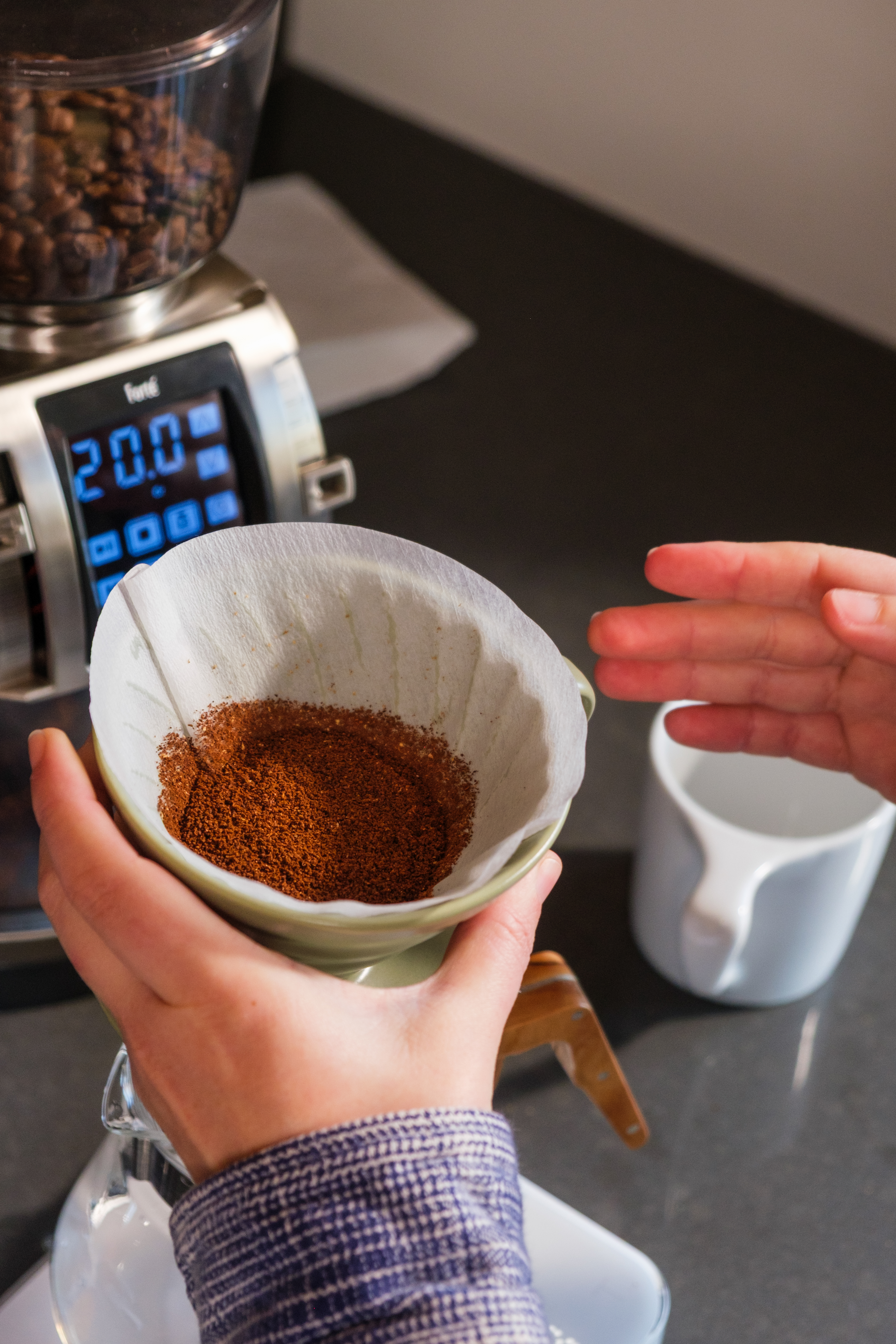
For many of us celebrating, coffee is the rhythm to the music of life, a repeated ritual that sets every day in motion. Grind. Brew. Drink. Repeat tomorrow.
What’s easy to miss behind that routine is the enormous global community that makes it all possible.
According to the ICO, coffee provides income for around 12.5 million farming families worldwide. From producers and farmworkers to processors, exporters, importers, roasters, baristas, equipment manufacturers, and coffee drinkers, an extraordinary number of people contribute to the journey from seed to cup to stomach.
That journey faces new challenges year after year. Climate change is altering growing conditions and pressures from disease in coffee-producing regions, making research into resilient coffee varieties and sustainable farming practices more important than ever. Organizations such as World Coffee Research are working with coffee-producing countries to study how different varieties perform under changing conditions and help farmers make better-informed decisions about what they plant.
That said, you don’t need to be a coffee researcher to participate in or deepen your knowledge during International Coffee Day. Brewing a new coffee is a great place to start.
Try a Coffee You’ve Never Tried Before
Coffees, as agricultural products, are all unique. Not only is each variety different, but the origin, growing conditions, processing, roasting, and brewing will all influence the final flavor in the cup. International Coffee Day is a great excuse to step outside of your coffee comfort zone.
Pick a coffee grown in a country you haven’t tried coffee from before from a local roaster, or explore new roasters from around the country through Beanz.com. Try a washed coffee if you usually buy naturally processed, or vice versa. Compare a lighter roast if you usually go with a dark roast. A light, washed Ethiopian Geisha will be a world of difference from a medium, natural Colombian Pink Bourbon, so if you want to keep some familiar ground, just pick one element of difference. If your local roaster provides information about the producer, farm, cooperative, variety, or processing method, and they should, take a minute to read it.
Then, brew it using the recipe you usually use.
Keeping most of your brewing variables the same makes it easier to notice what makes the new coffee different. You might find fruit, chocolate, florals, spice, nuttiness, or something you can’t quite put your finger on.
If you are not used to flexing that tasting muscle, don’t worry too much about it. Focus on just two simple questions:
Is it interesting?
Do you like it?
Let Your Grinder Help You Explore
Once you have that new coffee in front of you, your grinder is a tool to help you explore it more fully.
Grind size affects how quickly coffee extracts during brewing, meaning how quickly and how much of it dissolves into your brew water, and can have a major influence on the balance of the finished cup. That’s why the setting that worked perfectly for your last bag may not be ideal for the next one. Different coffees can benefit from even small adjustments to grind size.
Yet, you won’t know exactly how to adjust the grind in advance. Years of experience can give you a good idea, but tasting is the best way to know how to make this change. That’s why it is best to start with a familiar recipe and taste the result, but we have a great deal of thoughts on the topic.
If the coffee tastes sharp, sour, weak, or brews too quickly if you are brewing a method where water passes through the coffee, try grinding a little finer on the next brew. If it tastes overly bitter, heavy, or brews too slowly, moving coarser can help. Grind size is not the only variable that influences extraction, but changing one variable at a time makes it much easier to understand what is affecting your brew.
For espresso drinkers, this process will already feel familiar. A few small changes to grind size can transform how a shot flows and tastes.
Filter coffee drinkers can experiment in the same way. Whether you’re brewing with a V60, Chemex, AeroPress, automatic brewer, or French press, try moving your grind slightly finer or coarser and compare the results.
There is not one universally correct grind setting for a particular brew method or coffee, given how strongly each individual element will affect the brew. The goal is to find the setting that makes your coffee taste best to you.
Take Care of the Grinder You Already Have
Celebrating coffee can also mean taking care of the tools that help you prepare it and will ultimately help keep your grinder out of the landfill, and your carbon footprint low.
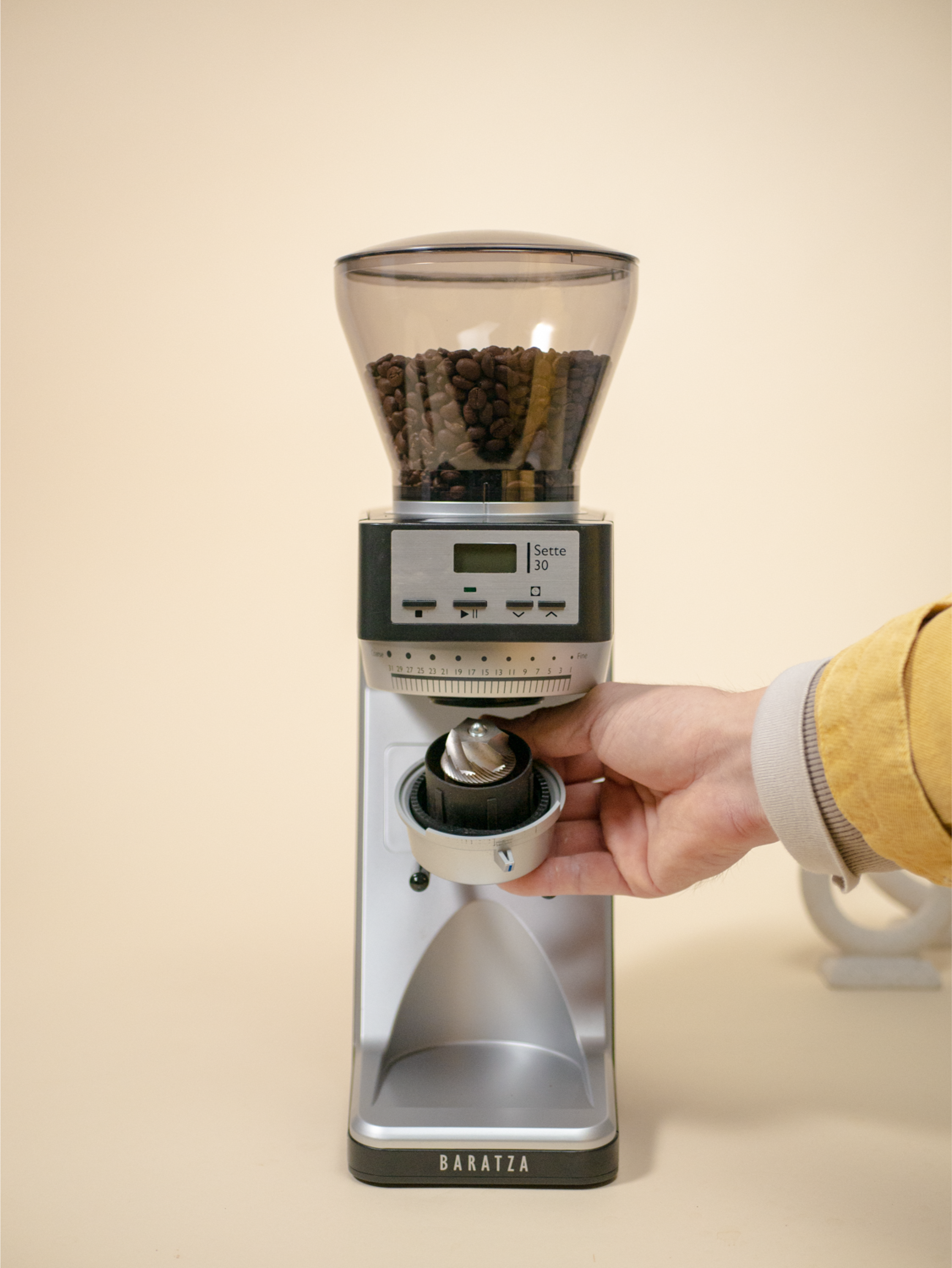
At Baratza, we design our grinders with repair in mind. We make it possible to service or replace individual components rather than requiring the entire grinder to be discarded. We provide replacement parts, troubleshooting information, repair guides, and support to help keep grinders working for as long as practical.
So, if your grinder has been working hard lately, give it a little attention to keep those parts in top shape.
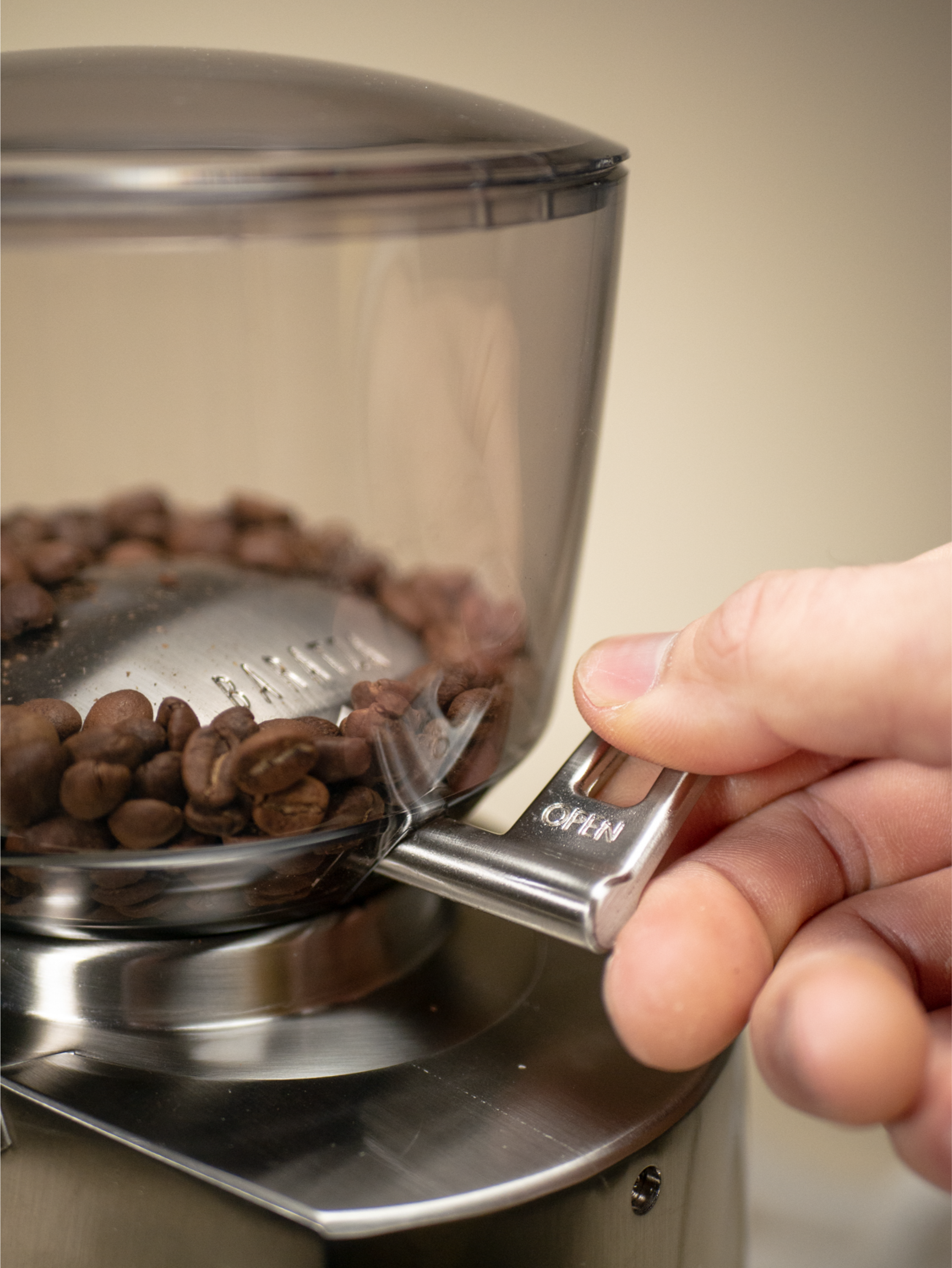
Remove old coffee buildup. Check the burrs and grind chamber. Wipe out the hopper and grounds bin. Take the time to check for cracks and chips in the parts you can see easily. If something isn’t working correctly, troubleshoot the problem before assuming the grinder needs to be replaced.
A well-maintained grinder is better prepared for the next bag of coffee and many, many more after that.
Make Your Next Cup a Little More Intentional
Celebrating International Coffee Day doesn’t require a complicated recipe, expensive coffee, or a new piece of equipment.
Try a coffee from somewhere new. Learn the name of the producer who grew it. Ask your local roaster about their sourcing. Experiment with your grind setting. Pull an espresso. Make a pour-over. Share a pot with someone else.
Most importantly, take a moment to appreciate how much work went into something that can feel as simple as your morning cup.
Coffee connects millions of people, from the communities that grow it to the people who brew it at home every morning. This October 1, we’ll be celebrating all of them by grinding something delicious along the way.
Happy International Coffee Day.
We Grind. You Brew.