Why Flavor Notes Matter
Flavor notes help describe what makes one coffee different from another. They aren’t meant to be exact or absolute. Instead, they serve as a shared language that roasters and drinkers use to communicate what a coffee might taste like. When you see “citrus,” it signals brightness and zest. “Chocolate” hints at depth and sweetness. “Berry” might tell you to expect juiciness or tartness.
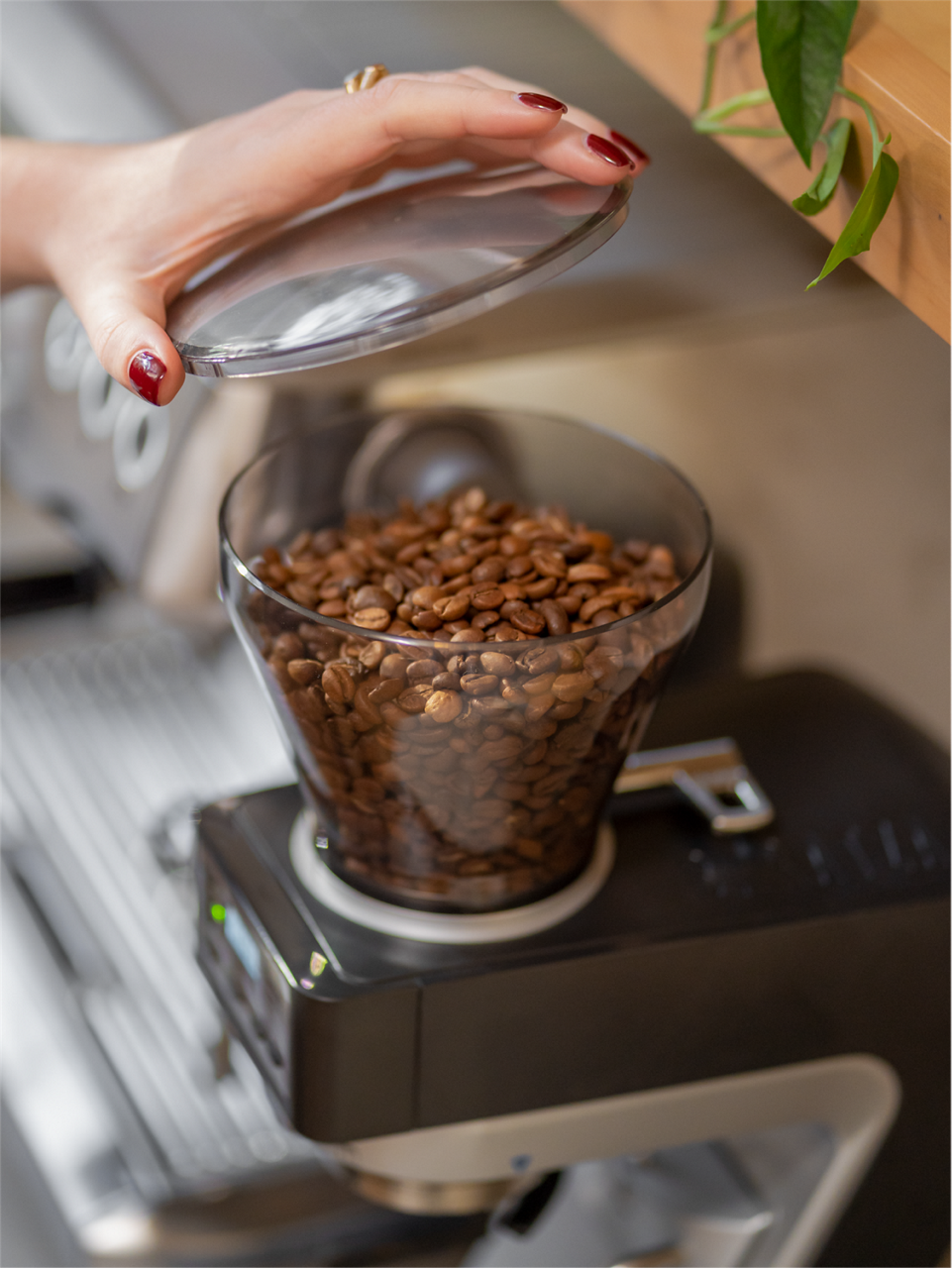
Even if you never identify a specific note, thinking about flavor helps you understand what you enjoy. Over time, this makes choosing coffees easier and brewing more rewarding. Your grinder plays a role here too since a consistent grind helps bring clarity to the cup, revealing the subtle characteristics that tasting notes describe.
Getting Started: Tasting With Intention
You don’t need special equipment to taste coffee well. What you need most is undivided attention. Start by drinking your coffee without milk or sugar, even if it’s just for the first few sips. This allows you to notice the natural sweetness, acidity, and aromas that can otherwise be muted.
Take a small sip and let the coffee spread across your tongue. Notice the temperature, the initial impression, how it changes as it cools, and any lingering aftertaste. Don’t worry about naming flavors yet. Instead, ask simple questions: Is it bright or mellow? Sweet or roasty? Light or heavy? These broad categories are the first step toward more specific identification.
Understanding Aroma, Acidity, Sweetness, and Body
Every coffee expresses a combination of sensory elements. Paying attention to them helps you interpret flavor notes more clearly.
Aroma is often your first clue. Before sipping, smell the coffee both dry (right after grinding) and wet (after brewing). Fruity coffees may smell floral or wine-like, while chocolatey coffees may feel warm and grounding.
Acidity refers to brightness, not sourness. Citrus, apple, berry, and tropical notes often point to pleasant acidity that brings liveliness to the cup.
Sweetness is at the heart of great coffee. It shows up as caramel, brown sugar, honey, or fruit sweetness, giving balance to acidity and making the cup feel complete.
Body refers to the texture you feel on your tongue. Since coffee is made up of solids dissolved in water, it should not be like the sensation of drinking water. A light-bodied coffee might feel tea-like, while a full-bodied one may feel creamy and thick.
All of these elements work together to create the coffee experience, whether you notice them or not. So why not give them each the attention they deserve?
How Grind Size Affects Flavor Recognition
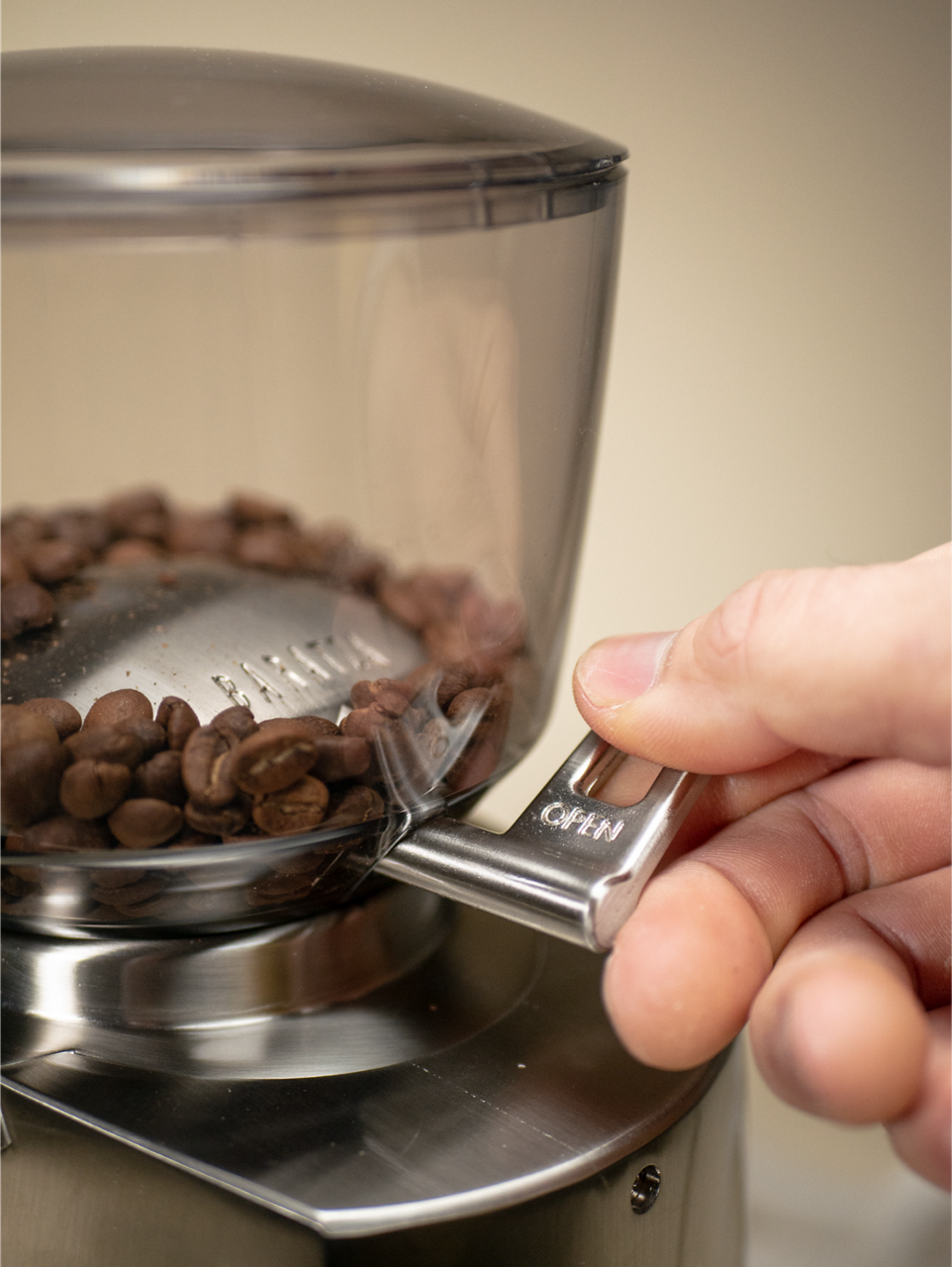
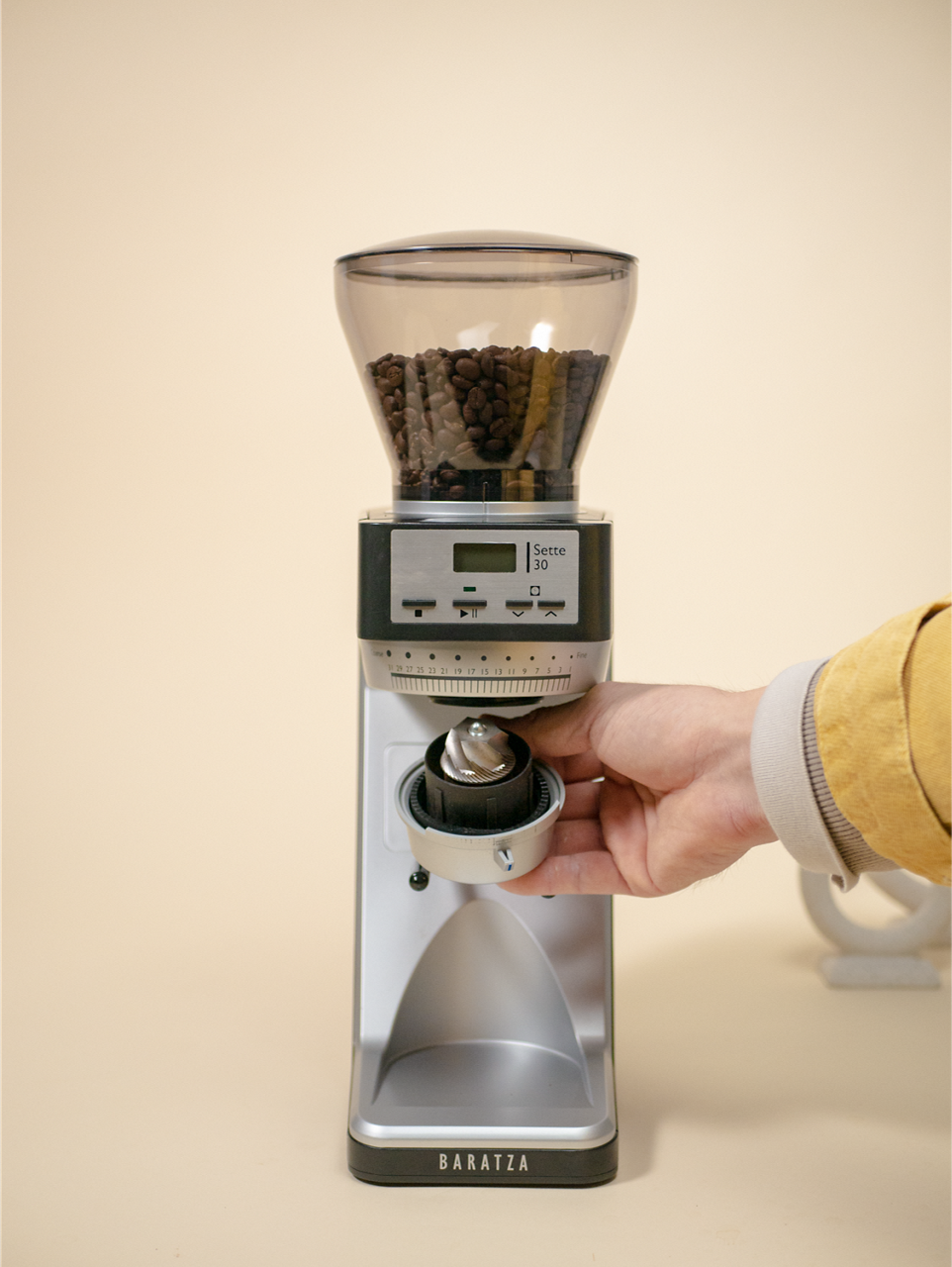
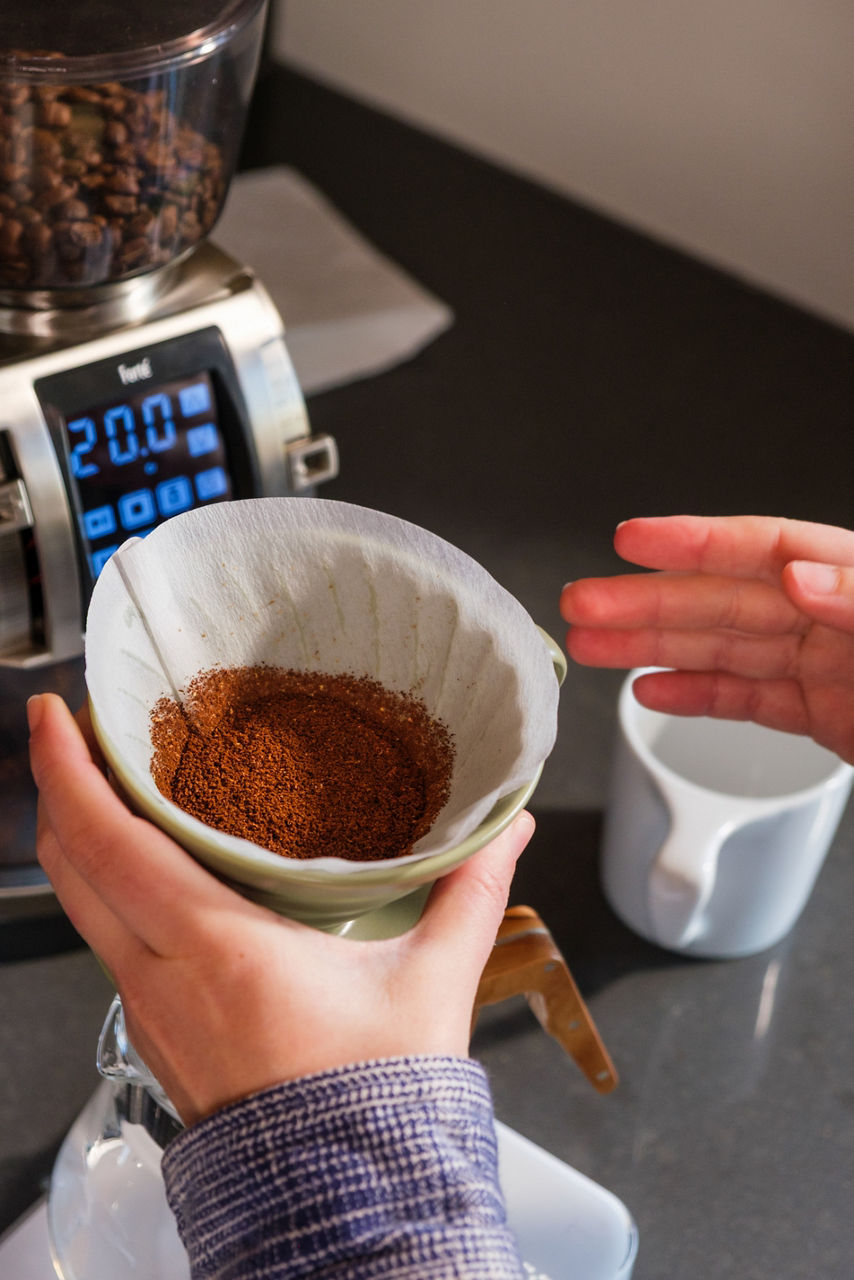
Your grinder has more influence on flavor than any other piece of brewing equipment. A consistent grind brings out clarity, which makes it easier to identify notes. Too fine and the cup may taste bitter or harsh. Too coarse and it may taste weak or hollow. Going too far in either direction will inhibit your ability to properly taste the flavors that can come out in your cup.
If you’re exploring tasting notes, consider brewing a coffee several times with slight grind adjustments. Each change can reveal a new aspect: more fruit, more sweetness, more floral aroma. Take notes as you go; you may be surprised by how quickly patterns emerge.
Building Your Sensory Vocabulary
At first, describing flavors can feel awkward. Many people worry about being “wrong,” but tasting isn’t a test. Professional tasters rely on broad categories before moving into specifics, and you can do the same.
Start with general impressions: fruity, floral, sweet, nutty, chocolatey, earthy. As those categories become familiar, try identifying subcategories: stone fruit, citrus, dark chocolate, toasted nuts, lavender, molasses.
Tasting wheels or flavor charts can be helpful reference tools. They aren’t there to tell you what you should taste—they simply provide language for what you might already be experiencing and are a great place to see the breadth of flavor available in the coffee world.
Another useful method is comparison. Brew two very different coffees side by side, like a washed Ethiopian and a natural Brazilian, using the same brew method. It’s often easier to articulate differences than to analyze a single cup in isolation.
Developing a Tasting Practice
Tasting improves with repetition and curiosity. Try brewing the same coffee over several days, observing how it changes as it ages. Try it as a pour-over and as a French Press. Smell your beans before grinding, then notice how the aroma evolves in the bloom.
If you are taking notes, jot down three simple observations for each cup: aroma, flavor, and aftertaste. Over time, you’ll see patterns in what you enjoy.
You don’t have to be detailed. A note like “sweet and bright, berry-like, light body” is more than enough to build confidence and consistency.
Sharing the Experience
Coffee tasting is inherently social. Sharing notes with a friend or partner helps you hear perspectives you might not have considered. Sometimes others will identify a flavor you didn’t notice until it’s mentioned. Other times you’ll pick up something they didn’t catch. This range of experiences is not only normal—it’s a demonstration of the incredible depth of flavor that coffee can have.
Tasting together also builds appreciation for the people behind the cup: farmers, roasters and the broader global community that shapes each coffee’s journey.
Bringing It All Together
Flavor notes aren’t rules. They’re invitations to explore. With practice, flavors will begin to emerge naturally. Your grinder will help you unlock clarity. Your brewing will refine your perception. Your curiosity will do the rest.
Most of all, tasting is about enjoyment. Every cup offers something to discover, even if the only note you walk away with is “delicious.”
We grind. You brew.
 Coffee Education
 Coffee Education
 Coffee Education
 Coffee Education
 Coffee Education
 Coffee Education