Understanding Burr Types
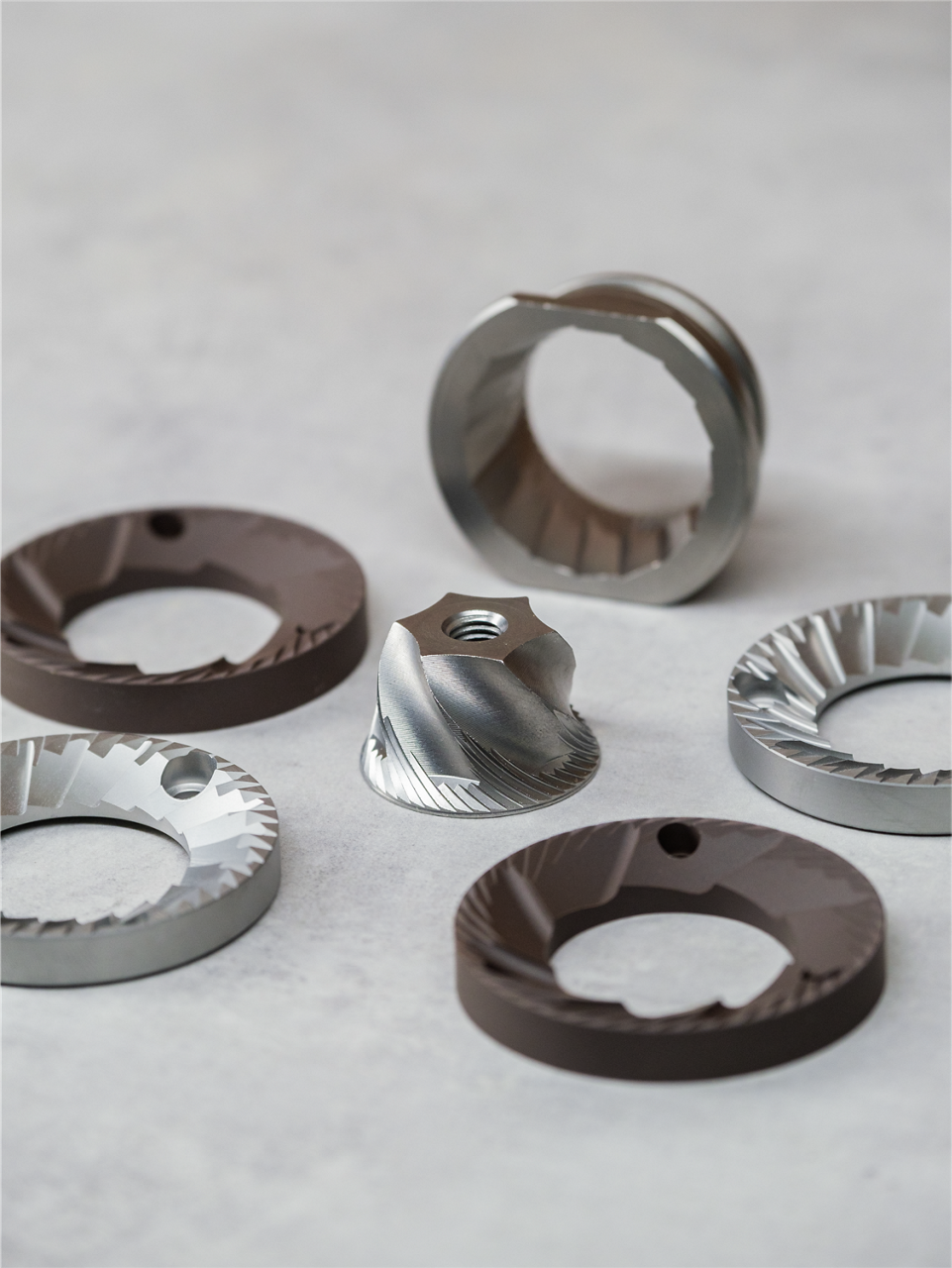
Baratza grinders use burrs designed for clarity, consistency, and longevity.
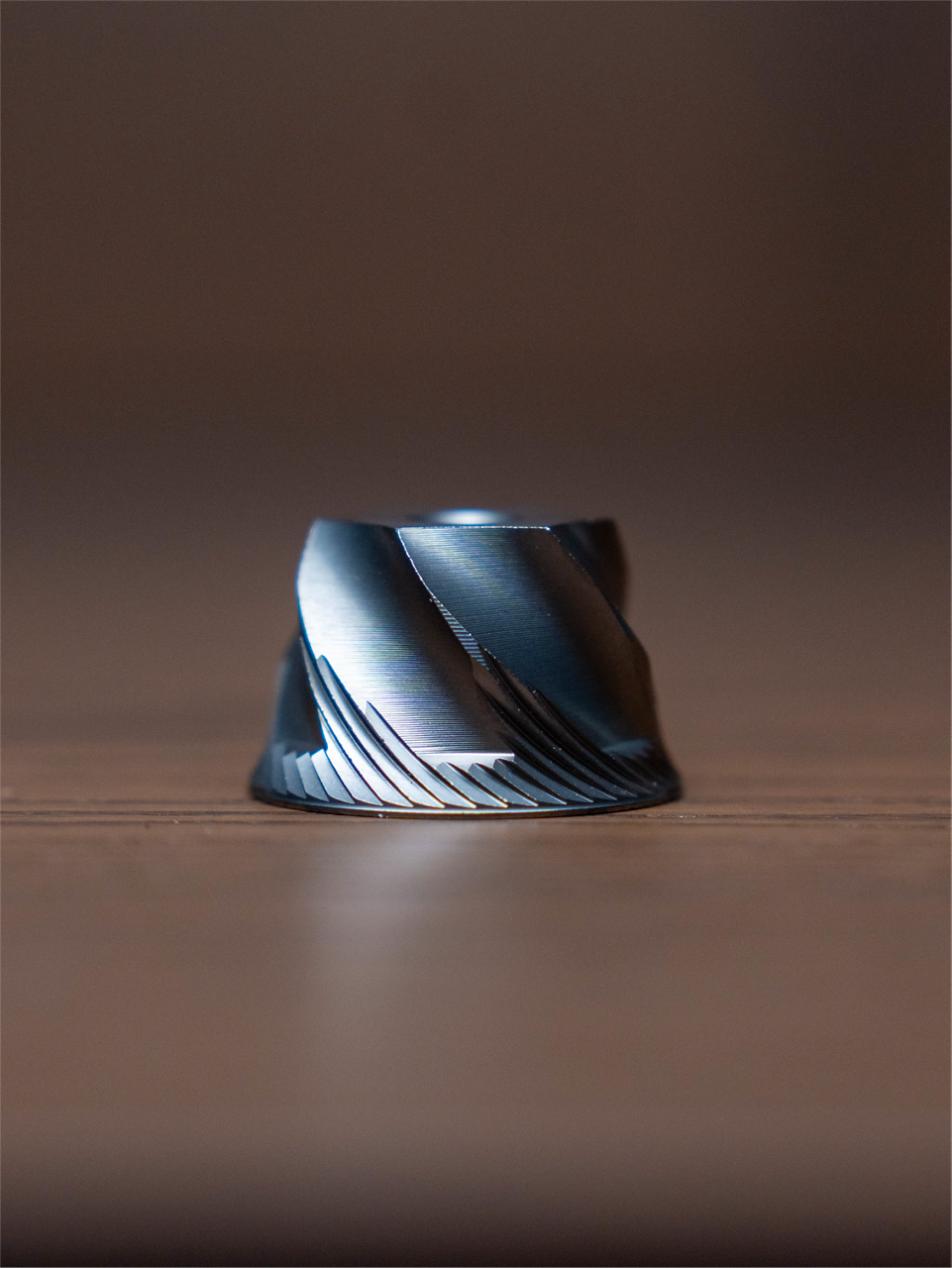
Conical Burrs (Encore ESP, Virtuoso+, Sette Series)
- Round, sweet flavor profile
- Slightly more forgiving due to fine particles in the grind
- Lower retention
Flat Burrs (Vario+, Vario W+, Forte AP)
- Clean, articulate flavors
- Excellent for single-origin espresso
- Micro/macro adjustment levers allow precise control
Steel Vs Ceramic
- Steel burrs: clean, modern flavor, highly consistent
- Ceramic burrs: round, traditional espresso profile, and, similarly to conical burrs, the fine particles generated make it a bit easier to dial in
No burr is “better”—they simply emphasize different sensory qualities.
How To Dial In Step By Step
- Check all the variables. Make sure you are using freshly roasted coffee, that the water in your espresso machine is hot enough, and that water is flowing consistently. If your machine has a pressure gauge, keep an eye on it during the shot to make sure that it is holding consistent pressure.
- Pull a test shot using a known recipe. A simple recipe is:
- 18g ground coffee
- 36g of liquid espresso
- 25-32 seconds from start to finish.
- Adjust grind finer if sour/quick; coarser if bitter/slow.
- Keep dose consistent while adjusting grind.
- Re-test and adjust grind in small increments.
- Record any changes you make.
Troubleshooting Common Issues
Problem: Sour, thin, fast shot.
Solution: Grind finer.
Problem: Bitter, harsh, slow shot.
Solution: Grind coarser.
Problem: Channeling (uneven extraction).
Solution: Improve puck prep (distribution/tamp). The grinder isn’t usually the cause. This is especially noticeable when using a “naked” portafilter, or in other words, one that does not have a spout at the bottom.
Grinder-Specific Tips
Encore ESP:
Small clicks make big differences. Stay within the espresso range (1–20) and start at the coarse end, slowly moving finer until you find the sweet spot.
Encore ESP Pro:
Small movements make big differences. Your setting will be in the espresso range (0-40). Start at setting 40, the coarse end of the espresso range, and adjust finer until your espresso pulls at your preferred shot time. If it pulls far too quickly and you hit your target volume within a few seconds, adjust 5 or more settings finer. Otherwise, just adjust by a couple settings at a time.
Sette Series:
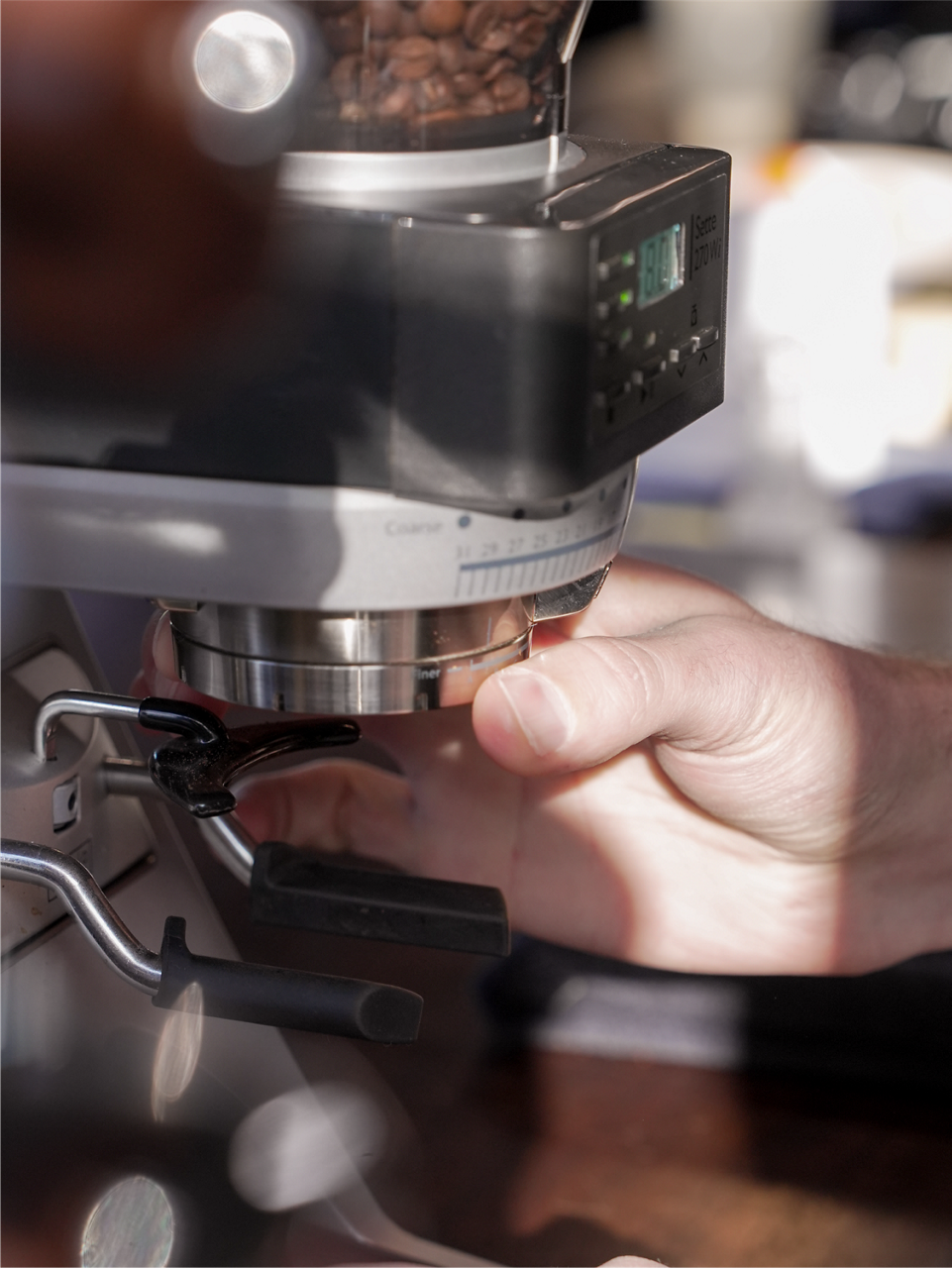
Low retention makes dialing in quick and predictable. If using the Sette 270 or 270Wi, start with the micro adjustment (the lower ring with letters on it) in the center. Dial in as close as possible with the macro adjustment (the upper ring with numbers on it), then move the micro adjustment to fine tune.
Vario+ Series / Forté Series:
Use the macro adjustment (the lever with digits next to it) to get close to your preferred setting, then adjust the micro lever (with the letters next to it) to refine flavor. This works best if starting with the micro lever in the middle of the range.
When To Consider Calibration
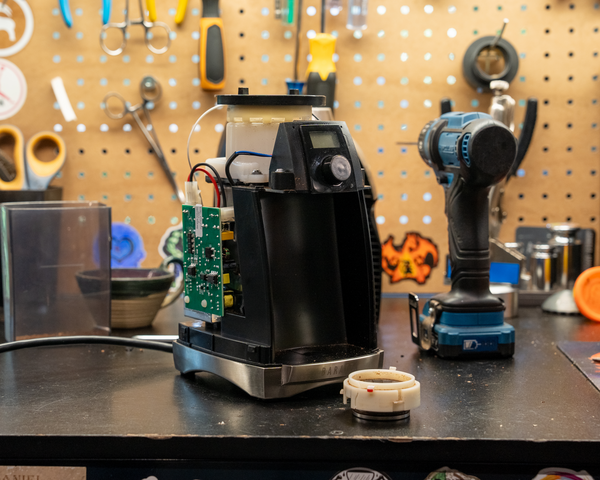
If you run out of room on the fine end, calibration may help and many of our grinders come with calibration tools in the box. However, increasing your dose of ground coffee in the portafilter by a few grams can also help with this issue, and it is worth checking out the rest of your equipment and water temperature. If everything else checks out and you are using fresh coffee, then recalibration is on the table. It’s simple to do at home, and our support team is happy to walk you through it if you have trouble with our online guides and videos.
Espresso should be fun—your grinder is your tuning fork. Explore, taste, adjust, repeat.
We grind. You brew.
 Product Guides
 Product Guides
 Product Guides
 Product Guides