Why Grind Adjustments Matter
Grind size affects flow rate, extraction, and flavor balance. Small changes in grind size can transform a cup from sour to balanced or from bitter to sweet. Switching from espresso to pour-over, or even between a light roast and medium roast of the same origin, will require a significant jump in grind setting.
Because grind settings are so influential, making adjustments with care ensures you’re not only protecting your grinder but also giving yourself the best chance at consistent, satisfying results.
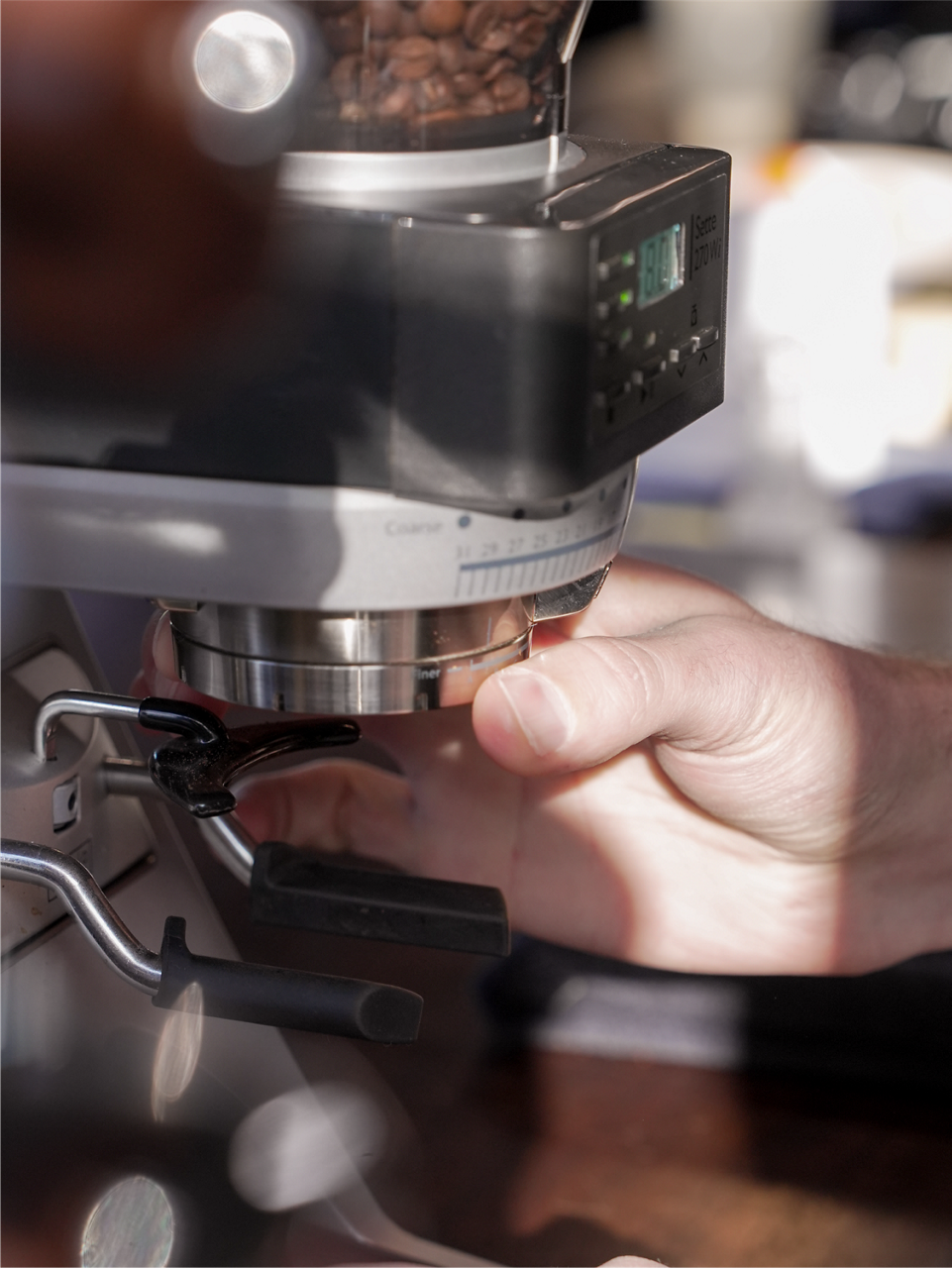
Adjusting Finer While Grinding
Whenever you make a significant adjustment finer, your grinder should be running. This protects internal components by preventing the burrs from pressing tightly against compacted coffee.
When coffee is already present between the burrs, adjusting finer with the grinder off compresses that coffee. This can create stress on the motor or burr carrier. Running the grinder while adjusting allows the burrs to move freely and prevents unnecessary strain.
Small fine adjustments when the grinder is totally empty are safe, just make sure to grind through those last few beans first!
When Coarse Adjustments Can Be Made Safely
Moving to a coarser grind does not require the grinder to be running. Because the burrs move apart, there is no risk of compressing beans within the grind chamber. You can make coarse adjustments confidently whether the grinder is running or not.
For adjustments that are only slightly finer—or when the grinder is empty - either method may be acceptable. But as a rule of thumb, running the grinder during large fine adjustments is a simple way to protect your equipment.
Purging After Adjustments
Coffee grounds remain inside the grinding chamber and chute after each grind. When switching settings, these leftover grounds will still reflect the previous grind size. This can affect taste and clarity, especially when moving between brew methods.
A quick purge, just a second or two of grinding, flushes out these transitional grounds and ensures your next dose is fully at the new grind size. This is especially helpful when:
- Switching between disparate brew methods like espresso and pour-over.
- Adjusting for a new coffee with a different density or roast level.
- Dialing in recipes where extraction precision matters.
Purging reduces variables and gives you clearer feedback about how your adjustment impacted the brew.
Overshooting and Dialing In
When you’re not sure where to begin, especially for espresso, start with a grind that is slightly coarser than you expect, then move finer in small increments. Because of how our grinders’ adjustment systems move the burrs, this is the most accurate way to make an adjustment. You’ll notice a very consistent change in grind size while adjusting this way, which is especially pronounced with the small, precise changes needed to dial in espresso. There is nothing wrong with moving coarser down the line, you just may find it a bit more difficult to master.
Using Macro and Micro Adjustments
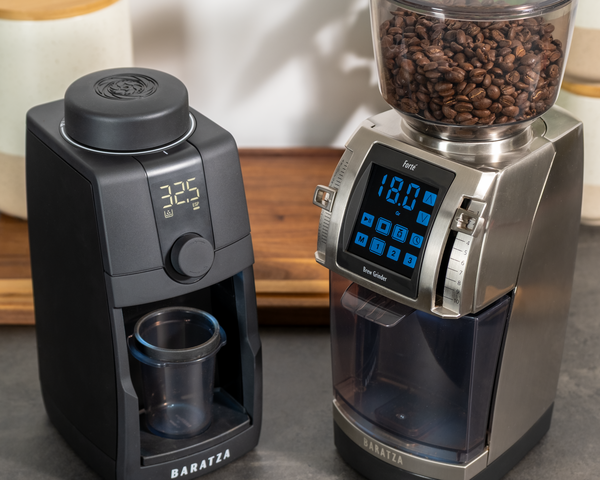
Grinders such as the Sette 270 and 270Wi, Vario+ series, and Forté series have macro and micro adjustments. A helpful starting strategy is:
- Set the micro adjustment to the middle of its range.
- Use the macro adjustment to get close to your target grind size.
- Fine-tune with the micro adjustment.
This gives you a clear, predictable baseline and makes it easier to return to settings that have worked before.
Tracking Your Grind Settings
Keeping notes helps eliminate guesswork. Record the grind settings you enjoy for different coffees and brew methods. Environmental changes like humidity and temperature can subtly affect extraction, so it’s normal for settings to shift slightly day to day. Simple notes help identify what needs to change about your brew since grind setting is not always the culprit! Playing around with changing your dose, timing, and water temperature can lead you to perfection.
We track:
- Grinder model and setting
- Coffee origin, roast level, and roast date
- Brew method and water temperature
- Taste impressions and adjustments made
This habit makes future dialing in faster and more enjoyable.
Recognizing When Adjustments Are Really Needed
Not every off-tasting cup requires a grind adjustment. Sometimes water temperature drifts, beans age, or your pouring rhythm changes slightly. By tracking variables, you can identify the true cause and avoid unnecessary changes.
A consistent workflow, fresh beans, stable storage, clean equipment, and mindful adjustments, create a foundation where grind changes become purposeful and effective. You may not even need to make adjustments to your grind setting over time!
Bringing It All Together
Switching grind settings is not just functional, it is the way to find the best flavor in each coffee, with each adjustment unlocking new possibilities. With good habits like grinding while adjusting finer, purging between settings, recording your favorites, and learning how different coffees respond across grind ranges, you’ll gain confidence and control over your brewing.
Your grinder is designed to support this flexibility. With gentle care and curiosity, you’ll discover new flavors and refine your process one cup at a time.
We grind. You brew.
 Product Guides
 Product Guides
 Product Guides
 Product Guides