Sustainable brewing doesn’t require dramatic changes. It begins with awareness: how much coffee you use, how often you adjust grind size, and how you respond when a brew doesn’t go as planned. Small steps accumulate into meaningful impact, both for your wallet and for your coffee routine.
Understanding Why Waste Happens
Many home brewers waste coffee without realizing it. Grinding more than needed for your brew, imprecise grind sizes, forgotten beans left in the hopper, and over-correcting grind settings can all lead to unnecessary loss.
Some waste is a natural part of dialing in, especially with new coffees and equipment on espresso. But with a few simple strategies, you can greatly reduce the number of doses that end up unused or repurposed..
Adjust Before Committing to a Dose
One of the easiest ways to reduce waste is to make grind adjustments before grinding a full dose. If you’re switching to a new brew method or exploring a new coffee, run a very small test amount first or simply purge a gram or two to confirm the grind feels close between your fingers.
This habit prevents grinding an entire dose at the wrong setting. Over time, you’ll get better at predicting the grind range for different coffees and methods, which further reduces trial-and-error.
Reuse Mis-Ground Coffee Thoughtfully
Even experienced brewers occasionally grind a dose that’s too coarse or too fine. Instead of throwing it out, repurpose the coffee for immersion brewing, where precision is more forgiving. Cold brew, cupping, and French press all accommodate a wide range of grind sizes without sacrificing flavor.
This approach turns potential waste into exploration. You may even discover new ways to appreciate coffees that taste different at alternative extraction levels.
The Value of Weighing Each Dose
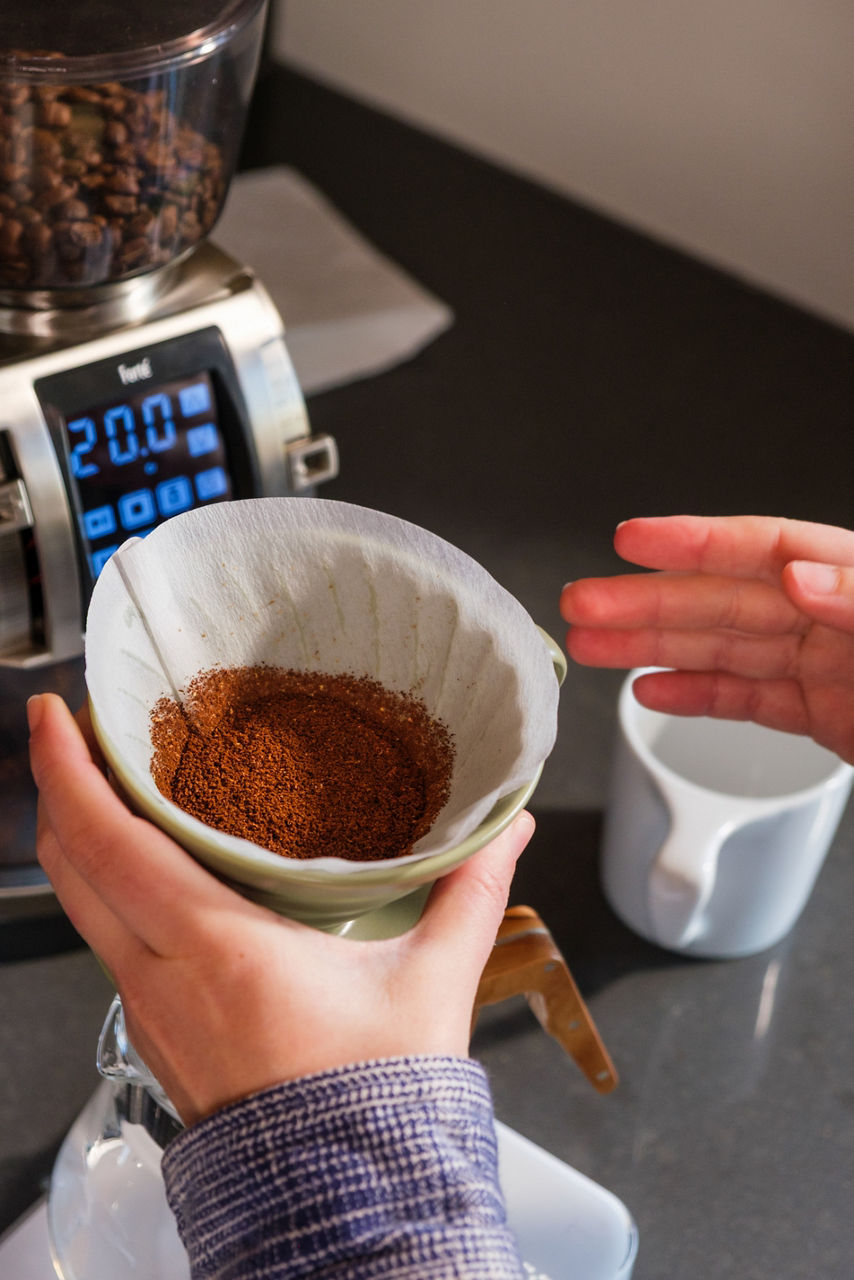
Using a scale might feel tedious at first, but it quickly becomes second nature, and you start to wonder how you ever managed without one. Weighing each dose ensures consistency, limits over-grinding, and reinforces awareness of how much coffee you actually use. It also removes all the guesswork out of dosing.
This mindful approach supports sustainability by helping you brew intentionally rather than reactively. When you know exactly how much coffee goes into each brew, you avoid unnecessary overuse.
Keep the Hopper Empty When You Can
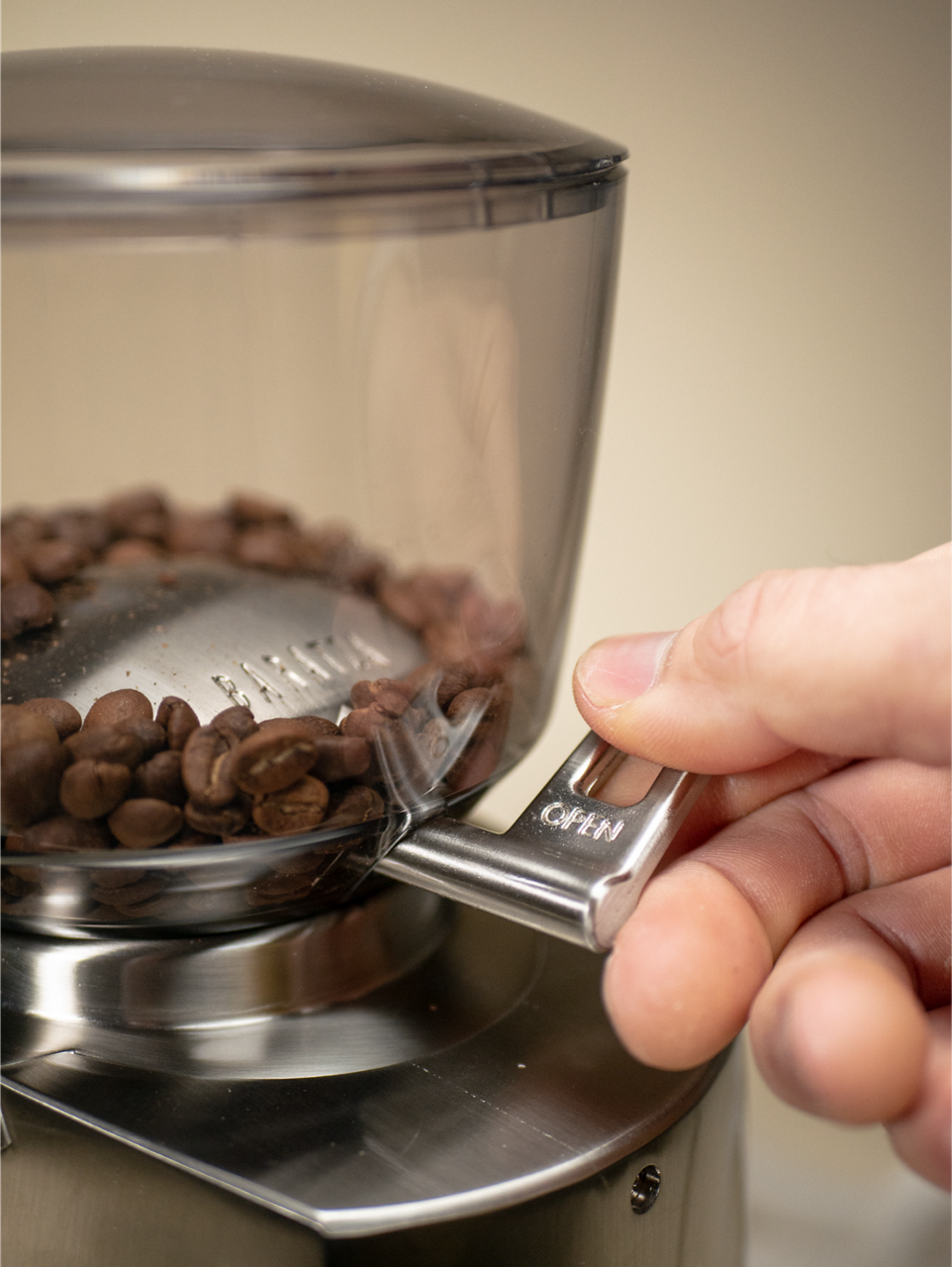
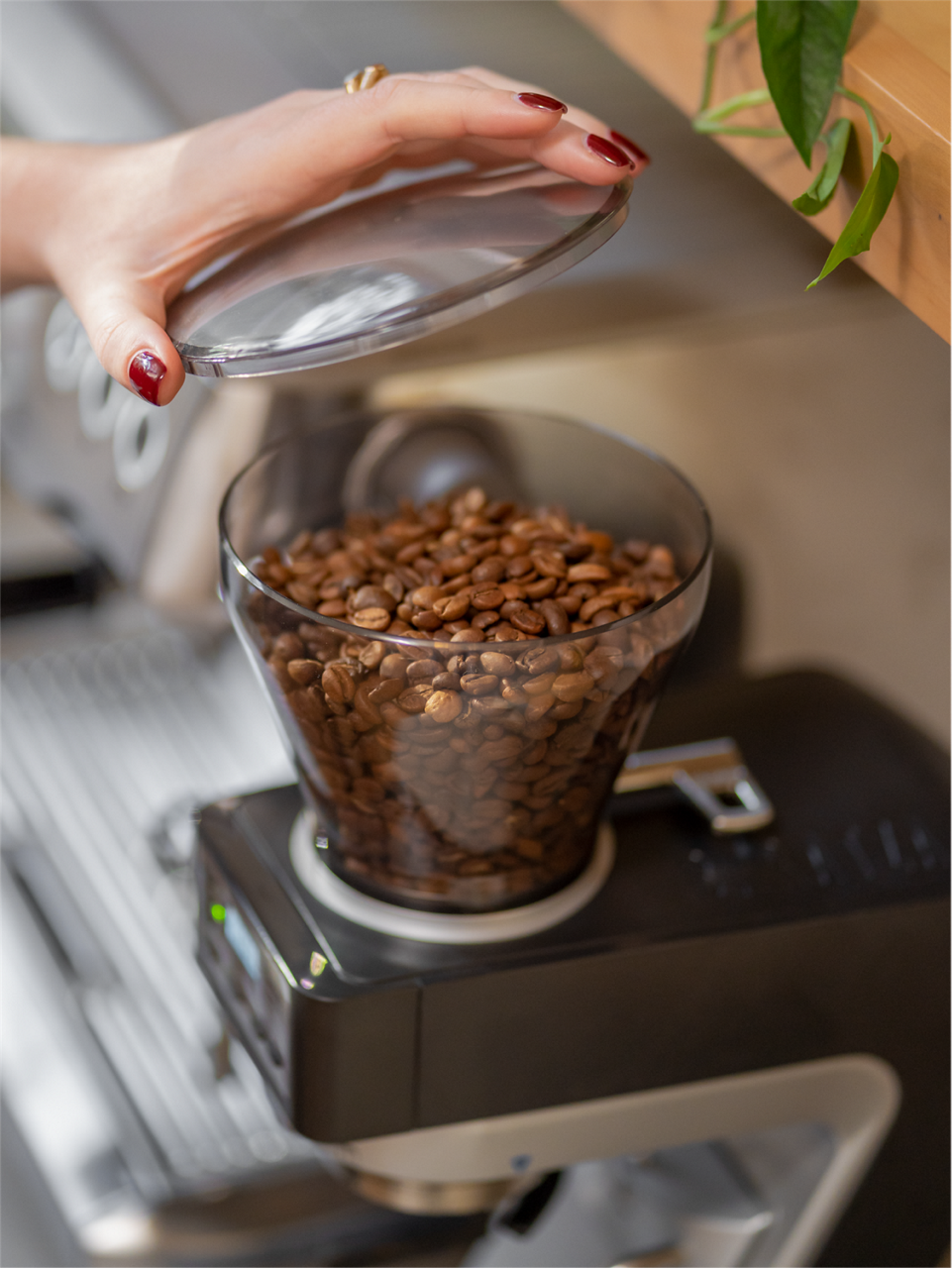
Storing beans in the hopper exposes them to oxygen, heat, and light. Over time, this reduces aromatic clarity and contributes to inconsistent extraction. An empty hopper aligns well with sustainable brewing because it encourages single dosing, keeps beans fresh longer, and prevents accidental grinding of stale beans which is crucial with espresso.
For those who prefer using the hopper, be mindful not to overfill it. Add only what you expect to use in the next day or two. This strikes a balance between convenience and freshness.
Track Settings That Work
A simple log of successful grind settings, brew ratios, and temperature ranges can dramatically reduce waste. By writing down what works for each coffee, you avoid repeating dialing mistakes and save time when returning to familiar beans.
Tracking doesn’t need to be complicated. Even a few notes like coffee origin and process, grind setting, brew time, and taste impressions can help anchor what works best. Over time, this habit leads to more predictable brews and less wasted coffee.
Maintain Your Grinder for Sustainable Brewing
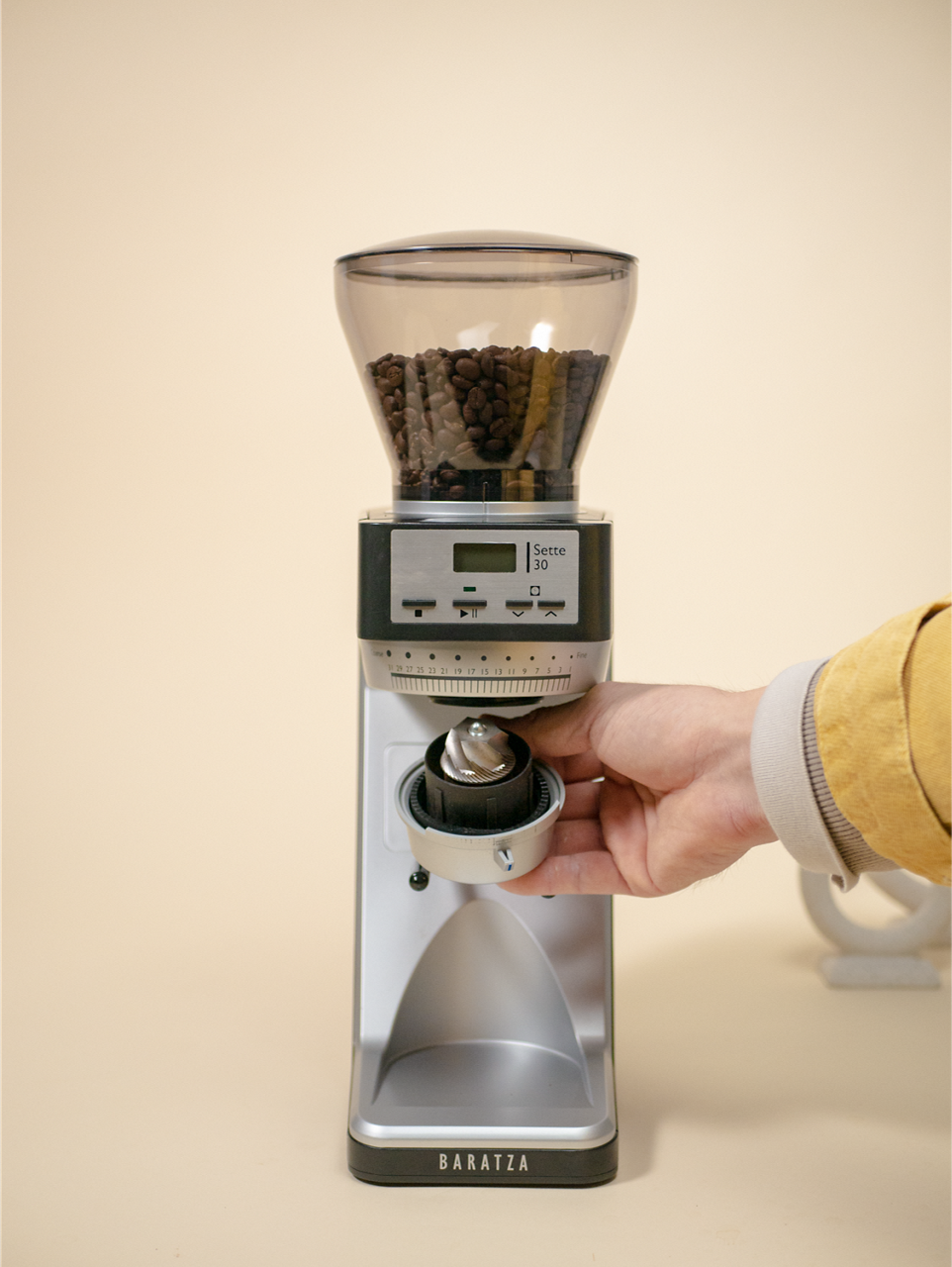
A clean grinder performs more consistently, reducing the chance of unintentional waste caused by retention, clogs, or inconsistent particle distribution. Regularly cleaning every few weeks, or more often for darker roasts, helps maintain efficiency.
Cleaner burrs produce cleaner flavors. When your grinder runs smoothly, it’s easier to make precise adjustments and brew confidently without over-correcting.
When Waste Happens Anyway
Even with good habits, not every brew will be perfect. Coffee is an agricultural product, which means natural variability is part of the experience. Your water, environment, grinder, and even the coffee itself change over time.
Instead of seeing imperfect doses as failures, view them as opportunities to learn. Each mis-ground dose or unexpected extraction teaches you something about your equipment and your preferences.
Bringing It All Together
Reducing waste doesn’t mean brewing less, it means brewing more intentionally. With thoughtful habits like adjusting before grinding, weighing each dose, keeping beans fresh, and maintaining your grinder, you’ll produce more consistent cups and waste far less coffee.
Sustainable brewing begins with care. Care for your coffee, your equipment, and your daily ritual. Every intentional choice strengthens your connection to the cup in front of you.
We grind. You brew.

 Coffee Education
 Coffee Education
 Coffee Education
 Coffee Education
 Coffee Education
 Coffee Education